

The Meaning and Tradition of Tea Time Around the World
Introduction
Tea time is a simple daily habit that exists in many cultures, yet its meaning goes far beyond just drinking a cup of tea. It represents a moment of pause, relaxation, and connection. Around the world, tea time has developed into different traditions, but the core idea remains the same: taking time out of a busy day to slow down and enjoy a warm drink.
The Origins of Tea Time
The most well-known version of tea time comes from Britain. Afternoon tea became popular in the 19th century, especially https://www.teatimeus.com/ among the upper class. At that time, people often had lunch early in the day and dinner quite late in the evening. To fill the long gap, afternoon tea was introduced as a light meal served between 3 PM and 5 PM.
This tradition usually included black tea served with milk, along with small sandwiches, cakes, scones, and pastries. Over time, it became a cultural symbol of elegance and social interaction.
However, tea itself has a much older history. It originated in China thousands of years ago and was used not only as a drink but also as part of medicine, rituals, and daily life. From China, tea culture spread to Japan, India, the Middle East, and eventually Europe, where it evolved into different styles and traditions.
Tea Time in Different Cultures
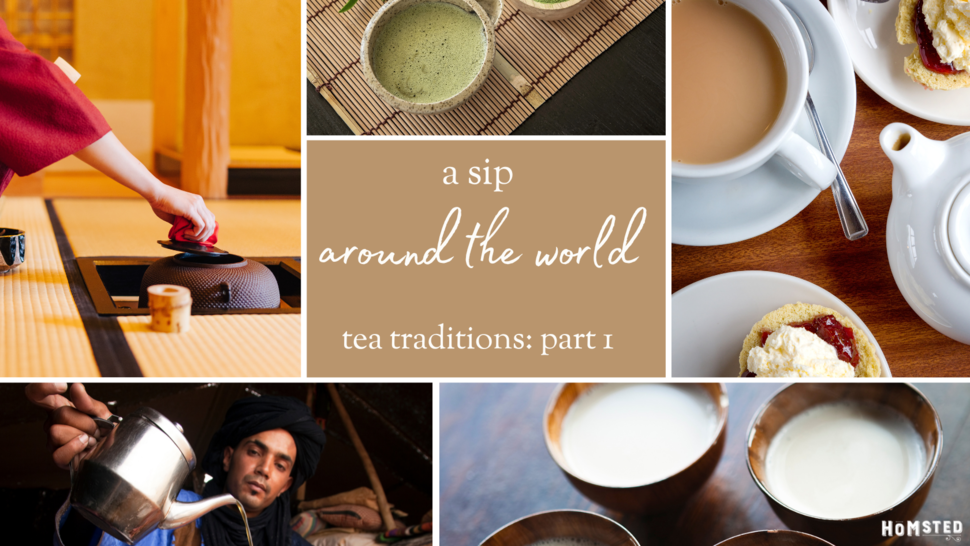
Tea time is not the same everywhere. In the United Kingdom, it is often a structured afternoon ritual. In contrast, in Asian countries like China and Japan, tea is more deeply integrated into daily life and can be enjoyed at any time of the day. It is often prepared with care and respect, especially in traditional ceremonies.
In India, tea—often called “chai”—is a common part of everyday routine. It is typically stronger and sweeter, sometimes mixed with spices like cardamom, ginger, or cinnamon. Street vendors serve chai to people throughout the day, making tea a social and accessible drink.
In Middle Eastern countries, tea is a symbol of hospitality. Guests are frequently offered tea as a welcoming gesture, often served in small glasses and enjoyed with dates or sweets. It reflects warmth, respect, and friendship.
In modern Western cities, tea time has become more flexible. It is no longer tied to a specific hour but instead appears as coffee breaks, casual meetings, or quiet moments at home.
The Social and Emotional Importance of Tea Time
One of the most important aspects of tea time is its ability to bring people together. Whether it is family gathering in the evening or friends chatting in a café, tea creates a shared experience. It encourages conversation, relaxation, and emotional connection.
Tea time also has a personal benefit. It provides a mental break from work, studies, or stress. Taking a few minutes to sit down with a warm cup of tea can help people feel more balanced and refreshed. In today’s fast-paced world, these small pauses are increasingly valuable.
Tea Time in the Modern World
Today, tea time has become more flexible and modern. It is no longer limited to formal settings or specific hours. People enjoy tea while working from home, studying, or even during travel. New trends such as bubble tea, herbal blends, and functional teas have also changed how people experience tea.
Despite these changes, the essence of tea time remains the same: a moment of calm in a busy day.
Conclusion
Tea time is more than a tradition—it is a universal habit that reflects culture, history, and human connection. From British afternoon tea to Indian chai breaks and Japanese tea ceremonies, each culture adds its own identity to the practice. Yet all versions share one common purpose: to pause, relax, and enjoy the simple comfort of tea.
Leave a Reply