

The Legacy of Jeonju Jungang Hoegwan: Crafting Korea’s Most Iconic Comfort Food
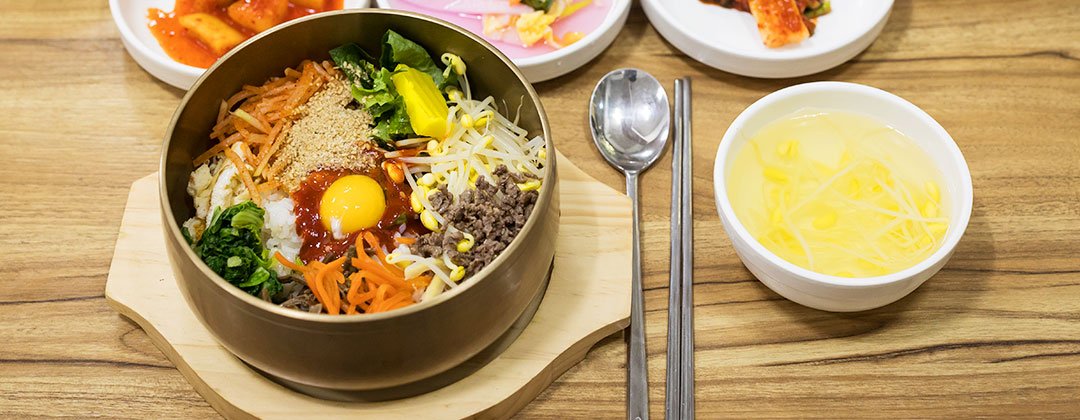
The steaming, bubbling communal pot—known as jeongol—and the crackling sizzle of rice against hot stone are two defining pillars of traditional Korean navishotspot.com culinary arts. At the very center of this rich heritage stands Jeonju Jungang Hoegwan (전주중앙회관). Founded in 1956, this legendary establishment carved its name into history by pioneering Dolsot Bibimbap (hot stone pot bibimbap). Over seven decades, its influence expanded from a regional gem into a national benchmark for authentic comfort dining. Today, its legacy continues to thrive, anchoring both historic locations and inspiring a culture of hearty, slow-cooked hotpots and stews across South Korea.
The Evolution of a Culinary Pioneer
To truly appreciate Jeonju Jungang Hoegwan, one must understand its roots in Jeonju, the designated UNESCO City of Gastronomy. The original masters realized that serving mixed rice in a pre-heated, heavy stone bowl transformed the dish entirely. It kept the ingredients piping hot until the very last bite and created a golden, deeply caramelized rice crust (nurungji) at the bottom.
However, the restaurant’s mastery extended far beyond rice bowls. The kitchen excelled at capturing the essence of Jeolla Province cuisine, which is famous for its bold, deep, and deeply savory flavor profiles. This same culinary philosophy was applied to their traditional hotpots (jeongol) and stews (jjigae). These dishes rely heavily on slow-simmered, complex broths, aged fermented pastes, and a mountain of fresh, locally sourced mountain herbs and vegetables.
Preserving the Legacy: The Essential Hubs
For travelers and food enthusiasts seeking to experience this exact heritage, the culinary lineage is preserved across two primary destinations:
1. Myeongdong Jungang Hoegwan (Seoul)
- The Location: Tucked away in a quiet, narrow alleyway in the heart of Seoul’s bustling Myeongdong shopping district.
- The Experience: Stepping inside this 150-seat venue feels like traveling back in time. While globally famous for its sizzling hot stone bowls, it is a sanctuary for communal dining.
- The Menu: Beyond the classic bibimbap, the kitchen serves exceptional, comforting stews. Their Beef Rib Soup (Galbitang) and savory Army Stew (Budae Jeongol) showcase the kitchen’s signature, deeply layered broth technique.
2. Jungang Hoegwan (Jeonju Main)
- The Location: Situated near the historic Jeonju Hanok Village in Wansan-gu.
- The Experience: This is the regional anchor officially celebrated by local tourism boards. It delivers an uncompromised, old-school southern Korean dining experience characterized by overwhelming table hospitality.
- The Menu: Every major stew or hotpot ordered here arrives flanked by a massive array of traditional side dishes (banchan). Local foodies heavily recommend pairing their fiery, seasoned raw beef dishes with cold, sweet, house-made moju—a regional, low-alcohol rice wine boiled with cinnamon, ginger, and jujubes.
Expanding the Hotpot Journey: Regional Alternatives
The spirit of traditional, slow-cooked comfort food championed by Jungang Hoegwan can also be found in a few fiercely traditional alternative spots that specialize in shared hotpots:
- Eunjujeong (Seoul): Located in the gritty, industrial alleys of Bangsan Market, this legendary spot is famous for its pure, old-fashioned Kimchi Jjigae Hotpot. Cooked right at your table, it features an incredibly savory, non-sweet broth packed with thick-cut pork belly and tofu. It is uniquely served with a massive mountain of fresh, diverse green vegetables used to wrap the stewed pork.
- Gamasot Bibimbap (Jeonju): Heavily recommended by Hanok village hosts, this restaurant cooks its grains and stews using heavy, traditional cast-iron pots (gamasot). A single order unlocks an incredible spread of 14 distinct side dishes, rustic fermented soybean stews, and hot barley water to scrape the crisped rice from the pot.
Whether you find yourself in a hidden alleyway in Seoul or walking the historic streets of Jeonju, dining at these institutions is more than just a meal. It is a direct, delicious connection to Korea’s post-war culinary renaissance.


Leave a Reply