
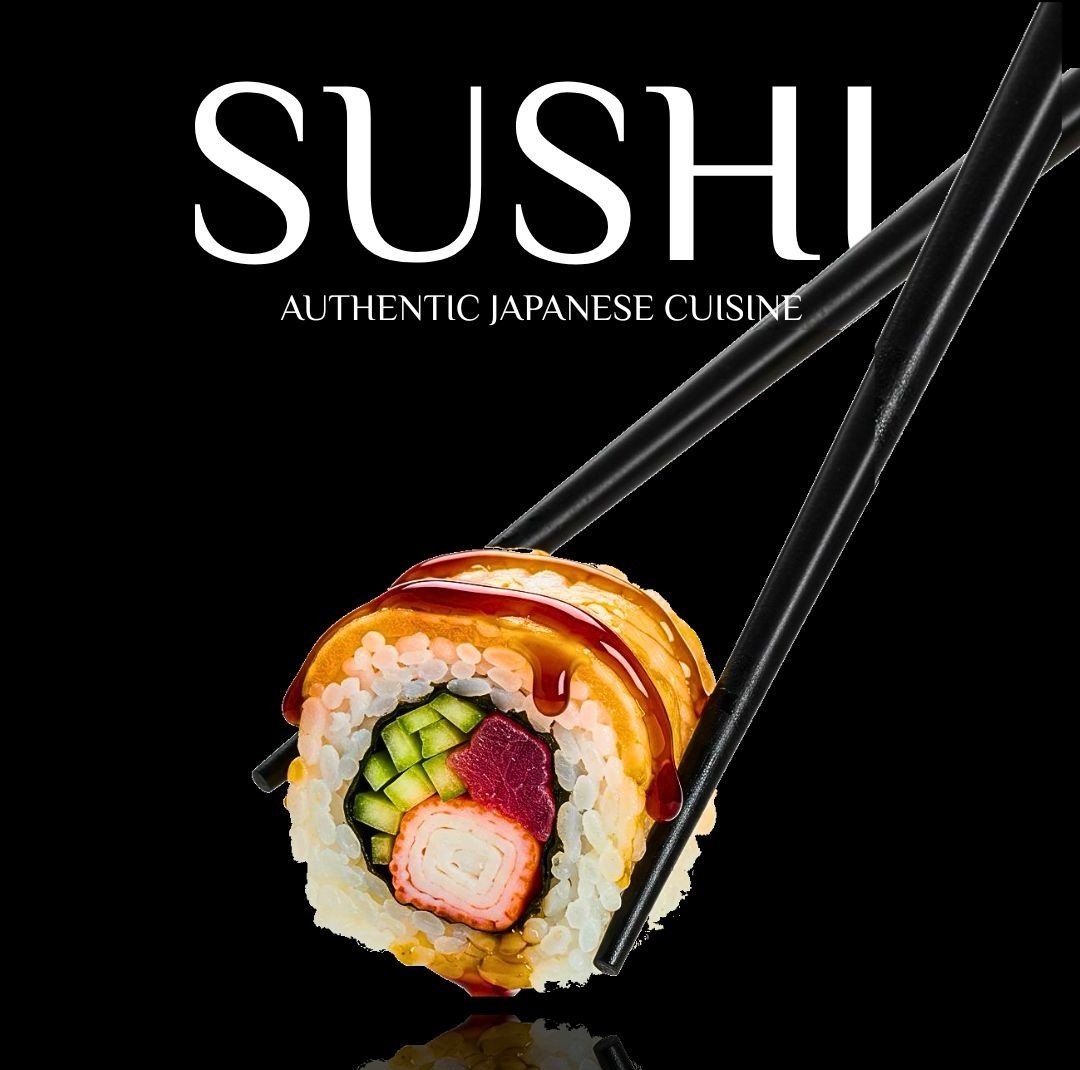

How to Enjoy Sushi in Japan: Tips, Etiquette, and Omakase Secrets
Visiting Japan for sushi is more than just eating—it’s an immersive cultural experience. From casual conveyor-belt spots to high-end omakase counters, knowing a few tips and etiquette rules can elevate your sushi adventure. Whether you’re a first-time visitor or a seasoned foodie, here’s how to enjoy sushi like a pro.
1. Understanding Sushi Types
Sushi comes in many forms: nigiri (fish over rice), sashimi (sliced raw fish), maki rolls (rolled sushi), and gunkan (battleship-shaped sushi with toppings). Each type has its own style of eating. Nigiri and sashimi are typically eaten with your hands or chopsticks, while maki rolls are often eaten with chopsticks. Knowing what you’re eating enhances appreciation for each bite.
2. Respecting Sushi Etiquette
Japanese sushi dining comes with subtle etiquette:
- Soy sauce usage: Dip only the fish side, not the rice, to avoid breaking it apart.
- Wasabi: High-end sushi already has the perfect amount of wasabi. Taste before adding extra.
- Chopsticks: Avoid pointing, waving, or sticking chopsticks vertically into rice.
- Appreciation: Saying “Itadakimasu” before eating and “Gochisousama deshita” after finishing shows respect to the chef.
3. The Omakase Experience
Omakase means “I’ll leave it up to you,” and it’s the ultimate sushi experience. The chef selects and serves seasonal fish, often in courses. Here’s how to make the most of it:
- Trust the chef: Sit back and enjoy the progression of flavors. Each piece is carefully crafted for timing, temperature, and taste.
- Eat immediately: Sushi is best enjoyed fresh, directly after it’s prepared.
- Engage politely: It’s okay to ask questions or comment on flavors, but avoid being overly critical.
4. Timing and Reservations
- High-end sushi spots like Sukiyabashi Jiro or Sushi Saito require reservations weeks or months in advance. Plan ahead if you want a Michelin-star experience.
- Popular market spots like Sushi Dai may have early-morning lines. Arriving before opening is common, and the wait is part of the adventure.
5. Tipping and Payment
Tipping is not customary in Japan. Excellent service is expected and included. Always pay politely at the register or with cash at smaller sushi counters. Credit cards are accepted in many modern restaurants but not always in traditional spots.
6. Savor the Regional Differences
Sushi differs by region:
- Tokyo (Edo-mae sushi): Slightly vinegared rice, delicate flavors.
- Osaka (Osaka-style): More pressed sushi, often seasoned differently.
- Kyoto: Unique regional ingredients, smaller portions, emphasis on presentation.
7. Enjoying the Experience
Sushi in Japan is about more than just taste—it’s craftsmanship, culture, and connection with the chef. Take your time, observe techniques, and appreciate the artistry behind every piece. Even casual conveyor-belt sushi offers insight into Japanese food culture.
Conclusion
Whether you’re trying sushi for the first time or indulging in an omakase journey, understanding zingsushi.com etiquette and regional differences enhances your experience. From respecting the chef’s craft to savoring the perfect bite, sushi in Japan is a journey of flavor, culture, and discovery. Follow these tips, and your sushi adventure will be both delicious and unforgettable.


Leave a Reply